
From the Margins to the Spotlight: Restoring the Legacies of Gilded Age Black Men of Distinction
August 11, 2025
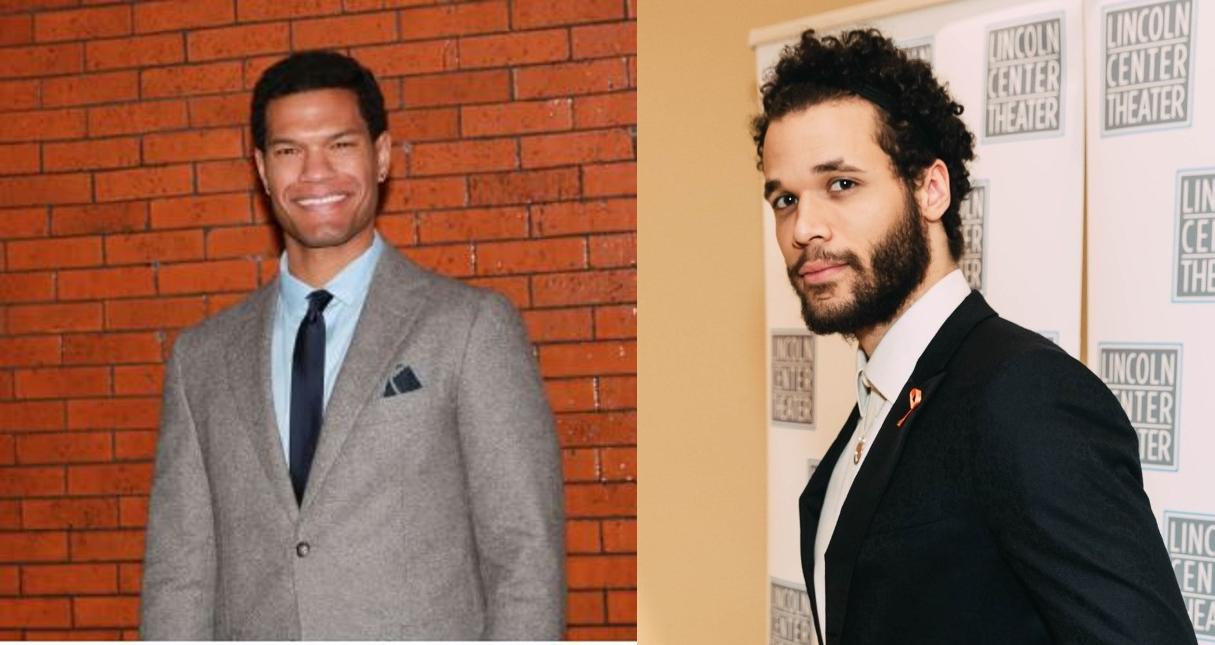
The Real History Behind The Gilded Age’s Black Characters: African American Journalists and Physicians Who Defied Racism
Throughout American history, the stories of African American achievement have been diminished, denied, or outright ignored by the mainstream historical record. When African Americans of distinction did make it into press, their coverage was often couched in racist and condescending language, designed to belittle rather than celebrate their accomplishments.
The main stream press distorted many African American achievements. The press rarely honored their accomplishments. Through TV representation their stories are being rescued and revived. There is little published or known about the affluent Black life at the end of the 19th Century. HBO’s The Gilded Age has been instrumental in exploring the nuanced realities of the lives of affluent African Americans in the late 19th century.
Two characters T. Thomas Fortune played by Sullivan Jones and Dr. William Kirkland played by Jordan Donica —offer a rare counterpoint to this tradition of erasure. Fortune is a real historical figure, one of the most respected African American journalists of his time. Kirkland is fictional, but his character draws upon the lives of several pioneering Black physicians, whose biographies remain largely unknown to the wider public. While there were a number African American physicians practicing in the U.S. from 1860-1890 many were froced find training in Canada and Europe.
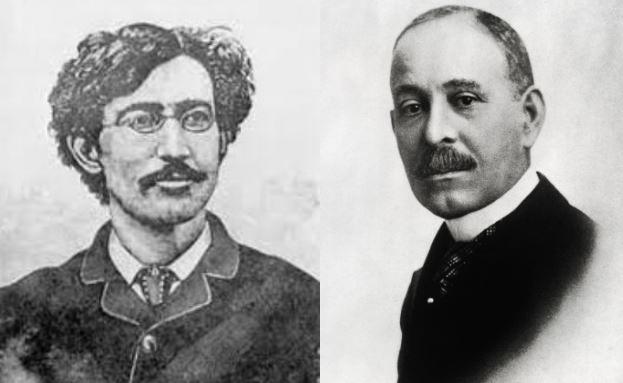
T. Thomas Fortune (1856–1928), born into slavery in Florida, became the “Dean of Negro Journalists” and a leading voice against lynching, disenfranchisement, and segregation. Through his newspaper, the New York Age, Fortune championed civil rights, economic empowerment, and the dignity of African Americans during an era when white supremacy sought to crush both. In The Gilded Age, his depiction rings true, capturing both his intellectual vigor and his unshakable principles.
Dr. William Kirkland, though a fictional character, is rooted in historical precedent. His portrayal borrows elements from Dr. Daniel Hale Williams, who performed one of the first successful open-heart surgeries and founded the nation’s first non-segregated hospital, and Dr. Alexander Thomas Augusta, the first African American faculty member at a U.S. medical school—Howard University’s College of Medicine in 1868—and the first African American to be appointed as a surgeon with the rank of Major in the U.S. Army during the Civil War. Augusta went on to head Freedmen’s Hospital in Washington, D.C., and became a key figure in training future generations of Black physicians. In the latter part of the 19th century, numerous African American physicians practiced in the United States, but many had been forced to obtain their medical training in Canada or Europe due to racial barriers at home.
This was also the era in which eugenics—a pseudoscientific, racially biased theory that sought to justify white supremacy—was gaining intellectual traction among America’s political, academic, and medical elite. Eugenicists argued that African Americans were biologically inferior, using flawed data and biased studies to rationalize segregation and limit access to professional advancement. In medicine, these beliefs had devastating effects:
- Hospital Privileges Denied: Black physicians were systematically excluded from admitting privileges at white hospitals, forcing them to work in underfunded Black-only institutions with fewer resources and lower pay.
- Professional Isolation: Organizations such as the American Medical Association barred Black doctors from membership, isolating them from the latest research and professional networks.
- Medical School Discrimination: Eugenics advocates lobbied to limit the number of Black students admitted to medical schools, claiming they were unfit for the profession.
- Public Distrust: White supremacist propaganda fueled mistrust of Black doctors among white patients, effectively closing off a large segment of potential clientele.
Despite these barriers, Black physicians persevered—founding their own hospitals, medical societies, and training programs, often at great personal and financial sacrifice. Their resilience laid the groundwork for later generations of African American medical professionals and civil rights activists.
In the late 19th century, when the mainstream press covered men like Fortune or Williams at all, it was often through a lens of exoticism, condescension, or suspicion. The accomplishments of Black physicians were particularly underreported, buried in medical journals or Black-owned newspapers with limited reach. Period dramas like The Gilded Age and The Knick begin to fill this gap, offering audiences glimpses into the lives of these men. But selective storytelling is not enough—these narratives should be told with full historical fidelity to the Black experience.
Bringing these biographies back into the American consciousness is more than an act of historical recovery—it’s a reclamation of truth. These men were not outliers or footnotes; they were leaders in the ongoing struggle for equality, role models for their communities, and innovators in their professions. Whether through fictionalized television dramas, documentary films, or biographical features, their stories deserve to be told in a way that honors both their achievements and the barriers they overcame.
The erasure of Black excellence was intentional. Restoring it must be deliberate. By rescuing these lives from the edge of oblivion, we tell a fuller, more honest American story—and remind ourselves that the Gilded Age was not gilded for everyone, but it was also not without its Black luminaries, fighting to shape the future. #GildedAge, #AmericanHistory, #BlackHistory, #HistoricalFiction, #CivilRightsHistory
Getaway to Charlottesville
August 4, 2025
Two Plantations and a Vineyard

Charlottesville, nestled in the heart of Virginia, is where history, beauty, and leisure converge, wrapped in Southern charm, and where life’s pace lets you savor every moment. I traveled by train from Washington, DC, to visit Monticello, Montpelier, and a local vineyard. As a tour guide, I’m always looking out for local weekend getaways from which I can create future tours. Travelers from all over the world come to Washington, and many want to see Monticello. The trip’s purpose was a reconnaissance mission mapping how to make it happen. I did it with some ease and, in the process, discovered Charlottesville to be a hub of historical sites and leisurely activities. I spent two days visiting Monticello and Montpelier and lunched at Pippin Hill Farm and Vineyard.
I boarded an Amtrak Silver Star at Union Station. Seated backward, I watched the landscape from my window. The Capitol’s Statue of Freedom slowly faded into the eastern sky, as the Washington and Jefferson Memorials appeared and disappeared as the train crossed the Potomac into the Old Dominion, transforming a suburban landscape into the countryside. My daily world receded, being pulled away for some welcomed rest and recreation.
I was glad I didn’t drive, opting instead for the leisurely journey by train. It’s convenient, affordable, and a comfortable way to cover the 120 miles. As I get older, I find myself favoring public transportation over driving, appreciating the ease and relaxation it offers. For those considering this trip, especially if you’re staying in Washington for more than a couple of days, an overnight visit to Charlottesville provides numerous opportunities. You can immerse yourself and the kids in American history and plantation life, enjoy lunch at a winery, or soak up the local color at one of the many great dining establishments.
Pippin Hill Farm and Vineyards

Hydrangea Walkway approach to the restaurant.
Charlottesville’s wine country is part of the larger Monticello AVA (American Viticultural Area), named after Thomas Jefferson’s Monticello estate. This region is known for its rolling hills, fertile soil, and a climate that supports a wide variety of grape varieties, making it one of the premier wine destinations on the East Coast. Pippin Hill Farm and Vineyard is one of the standout wineries in the Charlottesville area, celebrated not only for its wines but also for its stunning views, farm-to-table dining, and elegant atmosphere. Located just a short drive from downtown Charlottesville, Pippin Hill is a popular spot for wine enthusiasts and those looking to experience the beauty and flavor of Virginia’s wine country.

Pippin Hill is known for its exceptional menu, which emphasizes locally sourced, seasonal ingredients. The cuisine is farm-to-table, reflecting the bounty of the surrounding region. The menu often includes fresh salads, artisanal cheeses, charcuterie boards, gourmet sandwiches, and entrees that highlight local meats and produce. The dishes are designed to complement the wines produced at the vineyard, offering a complete sensory experience that marries food and wine.
Pippin Hill produces a variety of wines, with a focus on grapes that thrive in Virginia’s climate, such as Viognier, Chardonnay, Cabernet Franc, and Merlot. They also produce sparkling wines, Petit Verdot, and Rosé. The Rosé at Pippin Hill is particularly well-regarded. It’s often described as crisp, refreshing, and balanced, with notes of red berries, citrus, and a hint of floral aroma. This Rosé is a perfect pairing for many of the dishes on their menu, especially during the warmer months, making it a favorite among visitors.
Monticello

Thomas Jefferson is best known for authoring the Declaration of Independence and serving as the third President of the United States, during which he orchestrated the Louisiana Purchase, significantly expanding U.S. territory. He is also celebrated for his contributions to the founding principles of American democracy and for founding the University of Virginia, reflecting his deep commitment to education and the intellectual growth of the nation.
Although I am critical of the enslavers, my observations from my visit to Monticello highlight its efforts to give voice to the enslaved experience. My lineage traces back to the enslaved at Mount Vernon, and I am an active member of the League of the Descendants of the Enslaved at Mount Vernon. Curious about the life of the enslaved, my primary purpose in visiting these presidential estates was to learn about their daily lives.
Monticello offers a variety of tours, from general highlights to specialized ones, including the “From Slavery to Freedom” tour that I participated in. This tour provided a deep dive into the Hemings family and the lives of other enslaved families. I was particularly moved by the wooden wall with the names of the enslaved carved into it. This installation serves as a poignant reminder of the individuals who contributed to the estate’s operations and maintenance, helping visitors and scholars alike recognize the integral role that these individuals played in the history of the plantation.
Monticello’s specialized tours aim to provide a fuller, more nuanced understanding of Thomas Jefferson’s contributions to the United States and the integral roles played by the people, both free and enslaved, who lived and worked at Monticello. Jefferson’s complex relationships with the enslaved individuals at Monticello offer a window into the contradictions that many founding fathers faced—espousing freedom and human rights while simultaneously participating in and benefiting from the institution of slavery. His legacy in this regard continues to prompt reevaluation and discussion about the moral foundations of America’s early leaders.
My takeaway is that Monticello sets a standard for memorializing the lives and contributions of the enslaved, a group that until recently was disregarded as insignificant to the American narrative. Monticello does much more to elevate their stories than other presidential historical institutions.
Montpelier

Montpelier, the historic plantation home of James Madison, the fourth President of the United States, is beautifully situated in the bucolic setting of Virginia’s Piedmont region, nestled in the foothills of the Blue Ridge Mountains. The estate spans over 2,650 acres of rolling landscapes and dense forests, offering a picturesque glimpse into the past. This tranquil setting features expansive views of the surrounding countryside, marked by lush greenery and well-preserved 18th-century architectural structures. Visitors can explore the meticulously restored mansion, stroll through the heritage old-growth forests, and wander among the gardens that have been maintained to reflect the era of Madison’s occupancy. The serene natural environment and the historical depth of the plantation provide a vivid window into the early American republic and the complex legacy of one of its Founding Fathers.
Madison’s home, Montpelier, in Virginia, became a center of political discussion and development. Like Jefferson’s Monticello, Montpelier is now a place where visitors can learn not only about Madison’s life and contributions but also about the lives of the enslaved individuals who lived and worked there.
Secretary of State and President: As Secretary of State under President Jefferson, Madison supervised the Louisiana Purchase, which doubled the size of the United States. Architect of the Constitution
Madison’s home, Montpelier, in Virginia, became a center of political discussion and development. Like Jefferson’s Monticello, Montpelier is now a place where visitors can learn not only about Madison’s life and contributions but also about the lives of the enslaved individuals who lived and worked there. James Madison, often referred to as the “Father of the Constitution,” was a complex figure whose character, personality, and vision had a profound impact on the formation of the United States. Madison was known for his intellectual rigor, meticulousness, and foresight. He was not particularly charismatic in the traditional sense; he was reserved, soft-spoken, and physically slight, but his intellectual prowess and ability to articulate complex ideas clearly and persuasively made him a formidable thinker and strategist.
Along with Alexander Hamilton and John Jay, Madison authored the Federalist Papers, a series of essays defending the proposed Constitution to the public. These papers remain some of the most important documents in American political theory, offering insight into the intentions of the framers and the theoretical foundation of the U.S. government. Recognizing the concerns of those wary of a too-powerful central government, Madison played a pivotal role in drafting the Bill of Rights, the first ten amendments to the Constitution that guarantee individual liberties such as freedom of speech, assembly, and religion.
A major takeaway from a visit to James Madison’s Montpelier would be a deeper understanding of the complex legacy of the “Father of the Constitution.” Visitors can explore how Madison’s profound contributions to the founding of the United States and the crafting of the Constitution coexist with his status as a slave owner. Montpelier offers insights into Madison’s political philosophies, his personal life, and the lives of the enslaved individuals who lived and worked on the estate.
The property has been meticulously restored to reflect its historical significance and includes exhibits that tell a fuller story of American history by incorporating the perspectives of the enslaved community. The site also engages with themes of constitutional democracy, civil rights, and the ongoing impact of slavery in America, making it a profoundly educational experience that connects past and present.
Three oustanding meals, dinner at The Local, Pippin Hill Lunch, and Riverside Lunch
h guide erxploring local weekend getaways, my recent trip from Washington, D.C., by train to visit Monticello, Montpelier, and the Pippin Hill Farm and Vineyard was both a reconnaissance mission and a delightful journey through the area’s rich cultural landscape. Charlottesville is not only a hub of historical sites but also offers a myriad of leisurely activities, making it a popular destination for tourists worldwide who seek an accessible yet enriching experience of America’s past. The blend of historical exploration at presidential estates and relaxing vineyard visits provides a comprehensive experience of both the historical depth and the natural beauty of this unique region.
How To Become A Tour Guide
August 11, 2024

The question I’m asked most often is“How long have you been a tour guide?” I tell them, seven years. That’s not a lot of time compared to most of my colleagues. However, it’s been long enough to experience success, personal fulfillment, and building relationships. I found it to be the perfect retirement gig. So much so, I wonder what would have happened had I started this journey fresh out of college decades ago. In seven years, I’ve met new people and encountered new experiences. However, without my years of lawyering, I might not have acquired the knowledge, skills, and abilities required to be successful in this line of work. Let me share my journey since entering the workforce and transitioning into a second career during retirement. In seven years I went from an aspiring entry-level trainee to a successful, self-employed independent local tour guide—the cumulative effect of training, professional development, and practice all helped to guarantee my success.
Training
Training is essential no matter how much you know or how smart you are. Self-training over established training methods can significantly impact one’s development and success. Self-training may not be right for some. I know guides who trained themselves, but I recommend the established training method. There is a learning curve and it may require an unnecessary investment of time trying to figure it all out. My interest was sparked when I heard a local NPR radio program on tour guiding. It led me to a local tour guide service offering training for a fee, promising a job and a fee refund after signing a two-year exclusive contract. The structured learning offered practical experience while working with other experienced guides. It turned out to be a good deal.
After two years, I wanted to grow my income and expand my guiding opportunities which were limited by an exclusive contract. I was hesitant about giving up a steady paycheck. That changed with joining the Guild of Professional Tour Guides of Washington DC., but seeing so many other successful guides gave me the confidence to jump out on my own. I knew little about marketing and client development but was open to learning. Through my connections with guild members, I gained valuable networking opportunities essential to building a strong client base. Instead of relying on a single paycheck, I transitioned to earning a steady income from multiple contracts. Collaborating with Guild guides significantly boosted my confidence to pursue an independent path
Business Development
How do you become a top-level tour guide? Practice, practice, practice. The practice of tour guiding begins with training that includes actual fieldwork. Working with a senior guide or a mentor can help build, sharpen, and broaden your guiding skills. Early on I recognized routing to be a weakness. As a step-on guide, you and the driver become partners in arriving, loading, and unloading passengers, and different groups have different challenges.
Learning to deliver commentary, watch the road, and direct the driver requires multitasking. On two occasions, I was inattentive and missed the exit creating a substantial loss of time. I learned not to make that embarrassing mistake again. In one incident the driver turned down a narrow street resulting in a fender bender. I wasn’t driving but I felt totally at blame.
While having an experienced driver is ideal, it’s not always guaranteed. I learned to make it a priority to know the route to and from any site in advance. This level of preparedness comes only with experience. Whether you’re a step-on coach guide or working with a chauffeured SUV tour, it’s crucial for both the driver and guide to be in sync, sharing their expertise. Together, they share the responsibility and mission of ensuring the group’s safe and efficient transportation
An experienced guide knows the pitfalls of certain road travel. Tour guiding requires dedication and continuous learning. The desire to conduct business at top level requires training, business development, and practice. Tour guiding is both an art and a practice that involves leading groups of visitors through places of interest, providing them with insightful commentary and information about historical, cultural, and social aspects of the sites.
Another skill I’ve developed is crafting engaging commentary and adapting it for different audiences. During my White House and National Mall tours, for example, I enjoy sharing the intriguing story of Congressman Daniel Sickles. He infamously shot his wife’s lover, Philip Barton Key, the nephew of Francis Scott Key. Later, Sickles introduced his mistress to Queen Victoria under a false name. He lost a leg at Gettysburg, and would annually visit the Medical Museum to toast and smoke a cigar beside his preserved limb. These are the anecdotes that peak interest but some topics like murder and adultery are not suitable for schoolchildren.
Reflecting on my journey I realize that while in the beginning I may not have possessed the necessary skills my years of legal experience honed. My background equipped me perfectly and through dedication, continuous learning, and a passion for sharing the local culture, I have transformed my second career into an entrepreneurial venture offering unique and personalized experiences to travelers.
The Never Ending Journey
The journey to becoming a successful tour guide is never-ending. There will be growth, improvement and adversity. The journey to becoming a successful tour guide comes through personal experience and commitment, it transcends mere knowledge of sites and their histories. It encompasses a holistic development process, where formal training and real-world application merge to cultivate guiding skills and essential business acumen.
Destination Success
Tour guiding rewards the curious and the passionate, offering endless opportunities to learn, grow, and connect with people from all walks of life. Whether starting fresh out of college or as a retirement gig the experiences and skills accrued over the years can perfectly equip one for this enriching career. Whether through structured training or self-directed learning, each step taken is a step towards mastering the art and practice of tour guiding—a profession that is as rewarding as it is challenging.
Plan A Perfect 3 Day Manhattan Weekend
October 28, 2023
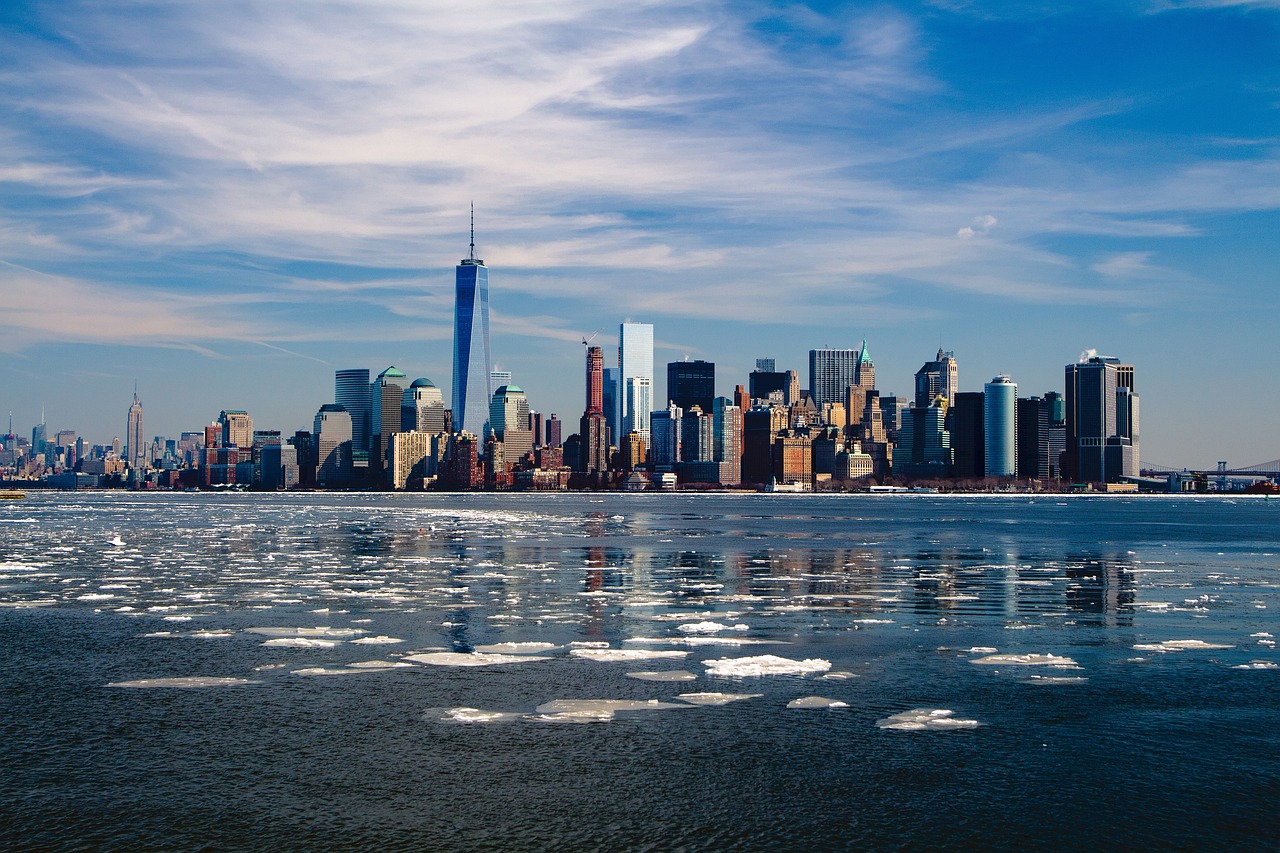
Unveiling the Secrets to an Unforgettable 48 Hours in New York City
You’ve heard the saying that goes “New York City being a nice place to visit. . .” Contrary to that sentiment, I wouldn’t mind living there, and I in fact, I often enjoy weekends and extended stays there. I have long been in love with the Empire City and its incredible diversity. Whether it’s the international cuisine, the live entertainment, or the bustling ambiance, there is something for everyone, and you don’t have to live there to enjoy it. Years ago in law school, I first visited a college classmate doing graduate work at Columbia, and was immediately enamored with the cultural mecca. I have made countless visits since, and with this writing will attempt to provide a comprehensive guide to making the most of 48 hours in New York City.
This is a recommended itinerary, feel free to execute the details in any order. There is much to do and learn about the city, consider it an introduction. It’s designed for those living in the Eastern region of the United States because of its promixity an inexpensive travel cost, but global travelers will find it useful too. My visit usually have specific event or purpose. Don’t hesitate to vary from the plan. It’s aspirational and not carved in stone. Some of my best times have been serendipitous.
It’s best to plan a moderate rather than a shoestring budget. The quality of your meals and lodgings can enhance the overall New York City experience. Hotels in New York City, like many other places, are typically classified based on a combination of factors, including stars, price, and amenities. The neighborhood and location of a hotel can also affect its classification. For example, a hotel in a prime location near Times Square or Central Park may be considered more luxurious and expensive than a similar hotel in a less central neighborhood.
It’s a good idea to read reviews, check ratings, and consider the amenities and location that are most important to you when choosing a hotel in New York City. Prices vary greatly based on factors such as the time of year, special events, and demand. What’s considered economical or luxury can also be subjective, as it depends on an individual’s budget and expectations. I plan to spend more time out and about taking in the scenes and activities. Personally, I’m usually comfortable with 3-star moderately priced chain hotels. It’s whatever you’re accustomed to and comfortable with. Even if you’re visiting friends or staying in the outer boroughs this plan can work for you.
A weekend in Manhattan can be exciting, with endless possibilities. Whether looking for a romantic hideaway or a family-friendly getaway, there is no shortage of things to do and places to see. You can create an affordable weekend itinerary, whatever the season. Year-round, there are countless cultural and outdoor activities to suit one’s interests. It can be an adventurous foodie Saturday combined with a Broadway play. There are hidden gems in the local experience only blocks away from base camp. One of my favorites is the Sheraton New York Times Square Hotel (once known as the Sheraton City Squire). See Where to Stay.

Day 1. Let’s say you wake up in the city on a Friday morning to begin your your Manhattan adventure followed by an agenda of afternoon delights leading up to an elegant evening. Ideally, staying at one of the chain hotels doesn’t have to be expensive and complicated; the morning can be as simple as breakfast at a diner. Next, exercise your morning constitution with a visit to Central Park for a leisurely morning stroll, exploring Bethesda Terrace and the Central Park Zoo.
For your afternoon delights head to the Museum of Modern Art (MoMA) for a dose of art and culture, and enjoy a delicious lunch at a nearby café. You then may want to return to your hotel to relax a bit before an elegant evening. Then returning to the streets take a leisurely walk along Fifth Avenue, admiring the high-end boutiques and window displays. Savor a classic New York-style pizza for dinner at a local pizzeria. Or you may favor a fine dining experience after taking in a Broadway show or a performance at one of Manhattan’s renowned theaters.
https://www.nyctourism.com/new-york/manhattan
Day 2: Time to check out New York’s local color. New York City is known for its incredible diversity, and its various neighborhoods indeed have distinctive and unique characteristics, customs, and cultural elements related to national origins, race, and religion. NYC’s neighborhoods are often referred to as “microcosms” of different cultures and communities, reflecting the city’s status as a melting pot of people from all over the world. Spend the morning in Harlem and enjoy the rich African American cultural heritage famous for its contributions to music, literature, and the arts. After breakfast at a Harlem eatery. Visit the Apollo Theater and the Studio Museum.
The Harlem Heritage Tourism and Cultural Center offers tours and cultural programs that provide insight into Harlem’s history, culture, and heritage. These historical sites and landmarks in Harlem collectively tell the story of the neighborhood’s cultural and historical significance in African American history and its contributions to American arts, music, and civil rights.
For the afternoon head downtown to Chelsea or the Village. In Greenwich Village stroll through charming streets, with stops at Washington Square Park and historic Brownstones. Chelesa Market is a food lover’s paradise, and enjoy a delightful lunch at one of the artisanal food stalls.
Return to Midtown and experience the bustling heart of Manhattan in Times Square. Ride to the top of the Empire State Building for breathtaking views. Explore the High Line Park, an urban oasis with art installations and greenery. An evening in Lower Manhattan offers an opportunity to visit the 9/11 Memorial and Museum to pay your respects and gain a deeper understanding of this historic event. End the day by enjoying a sumptuous dinner at a waterfront restaurant in Battery Park City. Top off the evening with a nightcap at one of the many NYC rooftop bars. The city is known for its diverse range of bars, clubs, theaters, restaurants, and live music venues that stay open late into the night, making it a global hub for nightlife and entertainment.
Day 3: Dedicate this day for discovering Hidden Gems and a Culinary Adventures. Start with a visit to the lesser-known but charming Cloisters in Fort Tryon Park, and have brunch at a quaint cafe nearby. Then immerse yourself in fine art and culture by visiting the Metropolitan Museum of Art, home to an extensive worldwide art collection. You may wish to stroll through Museum Mile on Fifth Avenue, visiting institutions like the Guggenheim Museum.For lunch satisfy your taste buds with diverse cuisine options in Manhattan’s various neighborhoods. Hop a train to Chinatown and try authentic dim sum in Chinatown. Or a trip to Lower East Side, and satisfy your hunger with a deli sandwich. Katz’s Delicatessen, located at 205 E Houston St, Katz’s remains one of the most iconic Jewish delis in NYC, known for its pastrami sandwiches and hot dogs. It has been serving customers since 1888.
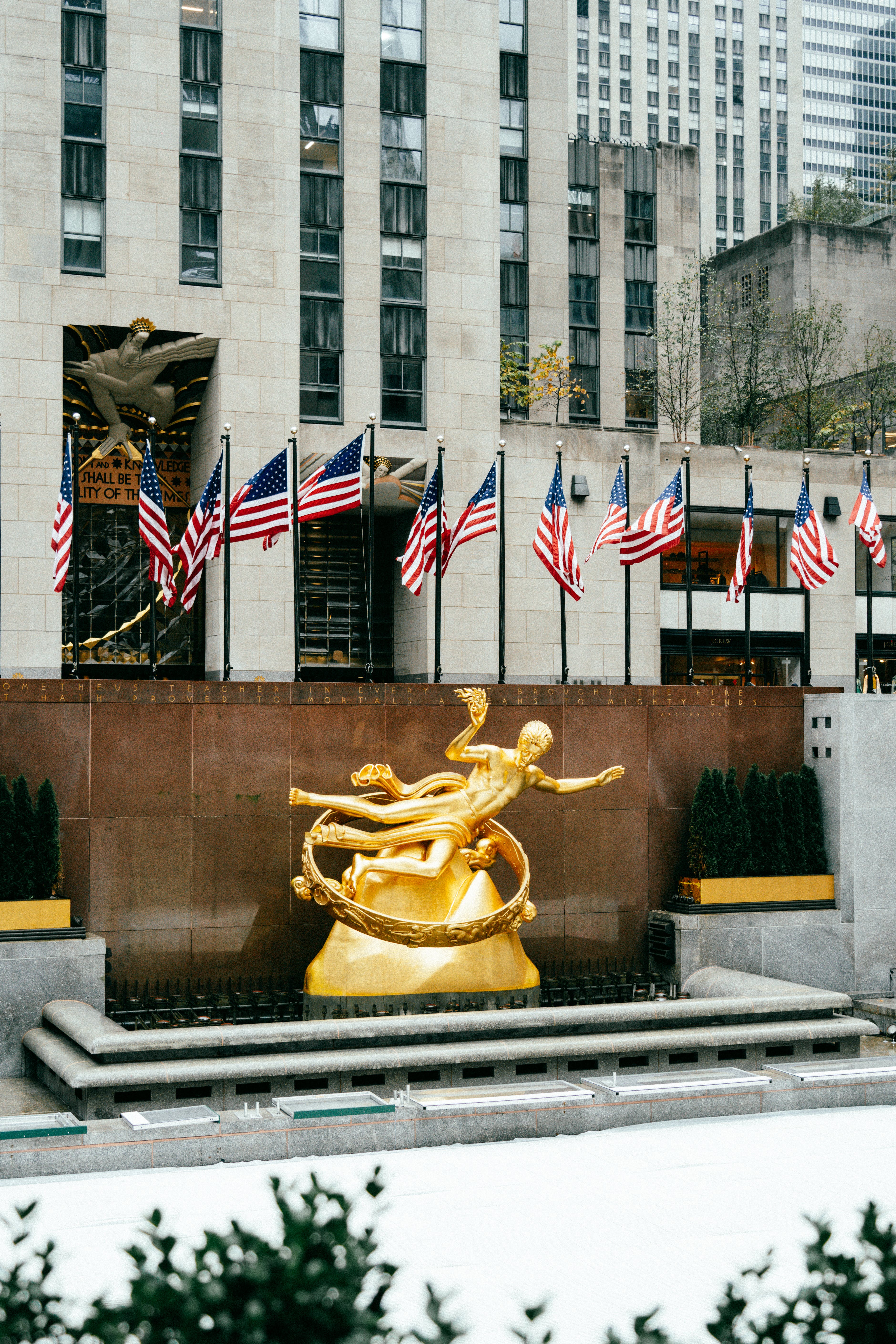
New York City has so much to offer it’s no wonder they say it’s the city that never sleeps. Where else can you enjoy such a variety of activities in a compact area? Global cultures intersect with an unparalleled variety of global cuisines. It is a microcosm of America’s melting pot. Take these tips as suggestions, tailoring you Manhattan adventure it your interests and preferences, and you will find this city never fails to deliver a memorable experience.
Harpers Ferry an Autumn Weekend Getaway
October 6, 2023
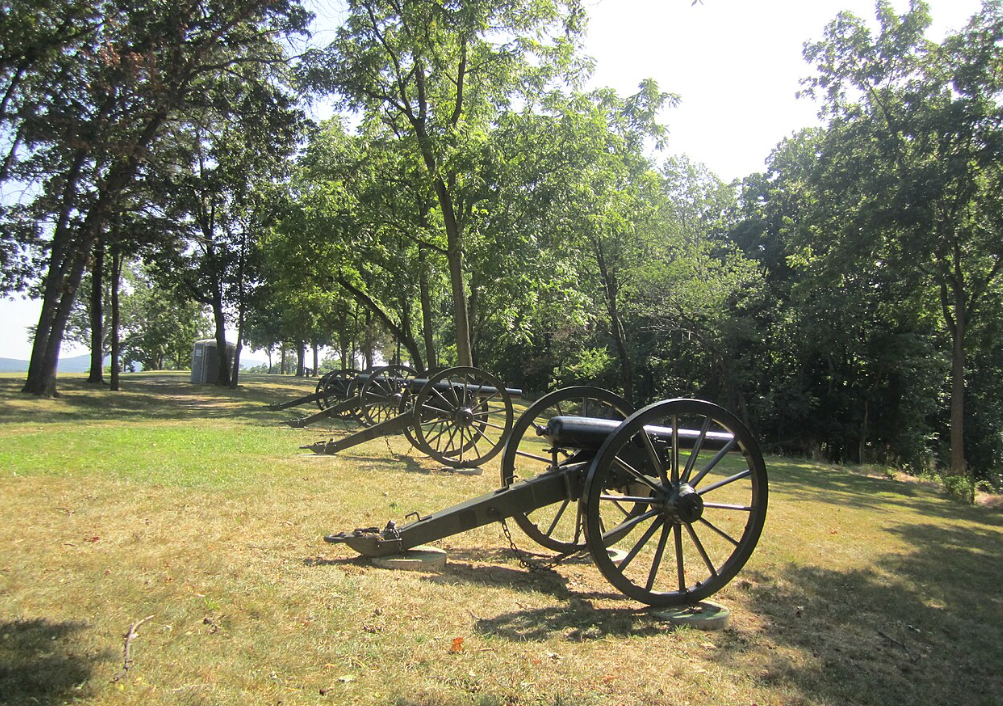
The Perfect Weekend Getaway
It’s that time of year when my buddy laments the season change as if the shorter days have already triggered his Seasonal Affective Disorder. Like clockwork, as he has for the past 30 years, he bemoans Winter’s approach complaining about coming days of less sunlight, cold weather, ice and snow, and the dreaded cabin fever. I wait for his commentary like the first frost, tempted to suggest if it’s that bad, he should move to a warmer climate, but I bite my tongue, fearing he might do so, and leave me to endure the cold alone. To immune us from the impending gloom I propose an autumn road trip seizing the presence of autumn’s glorious weather. Who doesn’t enjoy autumn weekends with their crisp evenings following a sunny afternoons?
One of the pleasant experiences of living in the mid-Atlantic region is observing the vibrant autumn foliage as the leaves change colors. This natural spectacle serves as a welcome distraction from the impending anxiety brought on by the sun’s retreat. Later, fond memories of these experiences can provide comfort during the discomforts of winter. Like everything else in life, I maintain the attitude that ‘this too shall pass.’
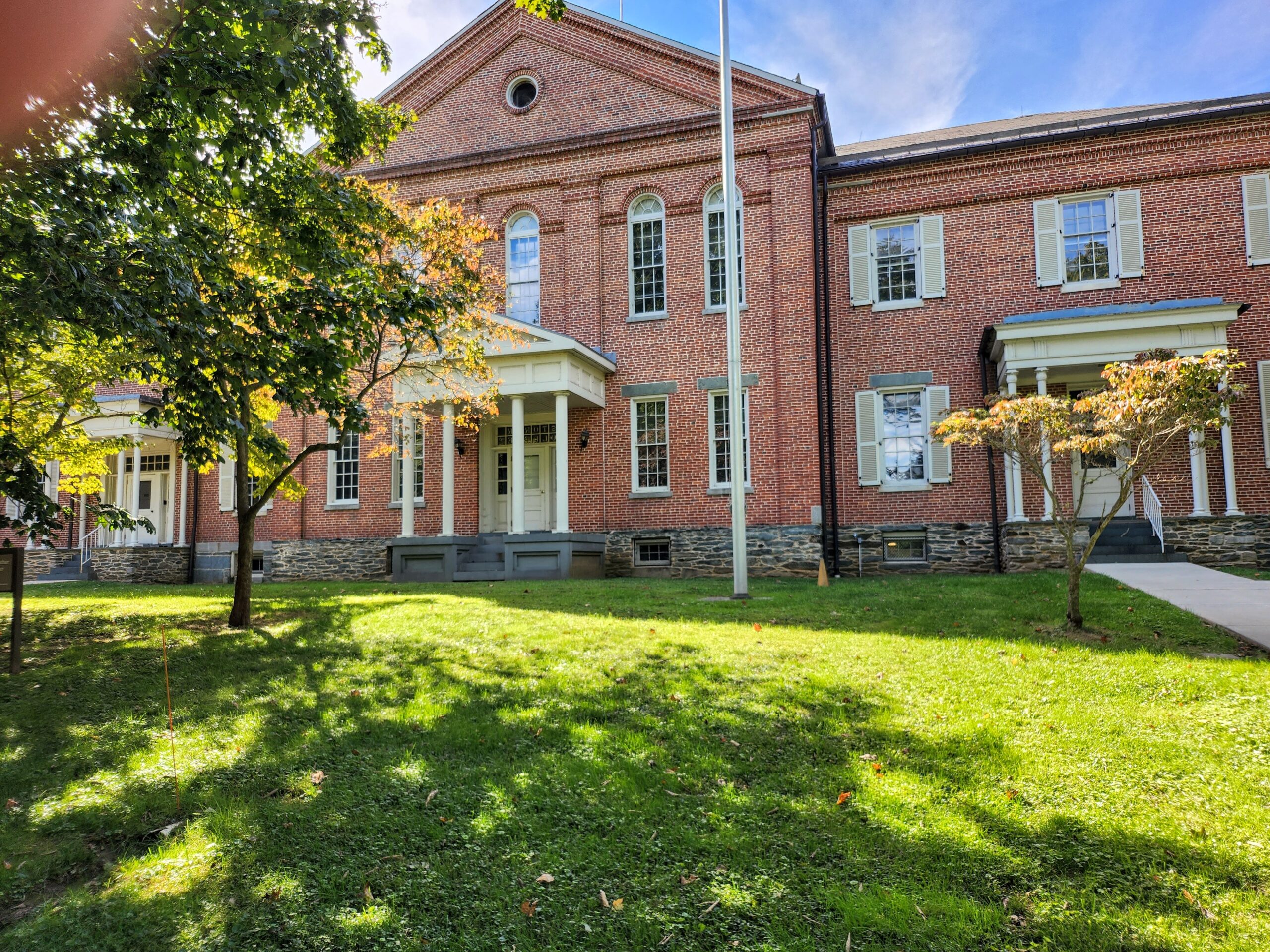
Storer College was an historically black college located in Harpers Ferry,
Autumn weather is ideal for outdoor activities, from apple picking to exploring pumpkin patches. The region offers an array of attractive destinations. You can visit Bunny Mellon Gardens at Oak Spring Farm, take a scenic drive to Luray Caverns, or hike in Shenandoah National Park to enjoy stunning vistas. A short drive to Annapolis allows you to stroll the State Capitol grounds or tour the Naval Academy, savoring the historic charm of the old town atmosphere. You can even cruise the bay and relish Maryland crabs and waterfront dining. Whether it’s a visit to Gettysburg, a trip to Rehoboth Beach, or an excursion to Maryland’s Catoctin Mountains, there are abundant options for getaway activities.
I embrace autumn with weekend getaways filled with outdoor activities, from apple picking to exploring pumpkin patches. The region offers an array of attractive destinations. You can visit Bunny Mellon Gardens at Oak Spring Farm, take a scenic drive to Luray Caverns, or hike in Shenandoah National Park to enjoy stunning vistas. A short drive to Annapolis allows you to stroll the State Capitol grounds or tour the Naval Academy, savoring the historic charm of the old town atmosphere. You can even cruise the bay and relish Maryland crabs and waterfront dining. Whether it’s a visit to Gettysburg, a trip to Rehoboth Beach, or an excursion to Maryland’s Catoctin Mountains, there are abundant options for getaway activities.
Optimizing the Three Day Weekend
The three-day federal holiday weekends in October and November are the perfect time for a getaway. In the DMV (D.C., Maryland, and Virginia) there is no shortage of nearby sites, locations and activities to choose from within 120 miles or a 2-hour drive. My favorite is Harpers Ferry either as day trip or overnight getaway. This city in West Virginia, about 90 minutes from Washington, is where the Potomac and Shenandoah Rivers come together. Famous for its role in Civil War history, the area is just as popular as a getaway destination for its scenic beauty and abundance of outdoor activities.
The Harpers Ferry National Park offers history, hiking, and exploring for miles. Amidst the stunning natural backdrop, you can explore numerous historic sites and exhibitions that provide insights into the area’s history. This park preserves and interprets the history of Harpers Ferry. It’s a great place to start your visit. You can explore the historic lower town, visit museums, and take guided tours to learn about its role in the Civil War and as a center for industry and transportation.
The three-day federal holiday weekends in October and November are the perfect time for a getaway. In the DMV (D.C., Maryland, and Virginia) there is no shortage of nearby sites, locations and activities to choose from within 120 miles or a 2-hour drive. My favorite is Harpers Ferry either as day trip or overnight getaway. This city in West Virginia, about 90 minutes from Washington, is where the Potomac and Shenandoah Rivers come together. Famous for its role in Civil War history, the area is just as popular as a getaway destination for its scenic beauty and abundance of outdoor activities.
Things To See and Do
The three-day federal holiday weekends in October and November are the perfect time for a getaway. In the DMV (D.C., Maryland, and Virginia) there is no shortage of nearby sites, locations and activities to choose from within 120 miles or a 2-hour drive. My favorite is Harpers Ferry either as day trip or overnight getaway. This city in West Virginia, about 90 minutes from Washington, is where the Potomac and Shenandoah Rivers come together. Famous for its role in Civil War history, the area is just as popular as a getaway destination for its scenic beauty and abundance of outdoor activities.
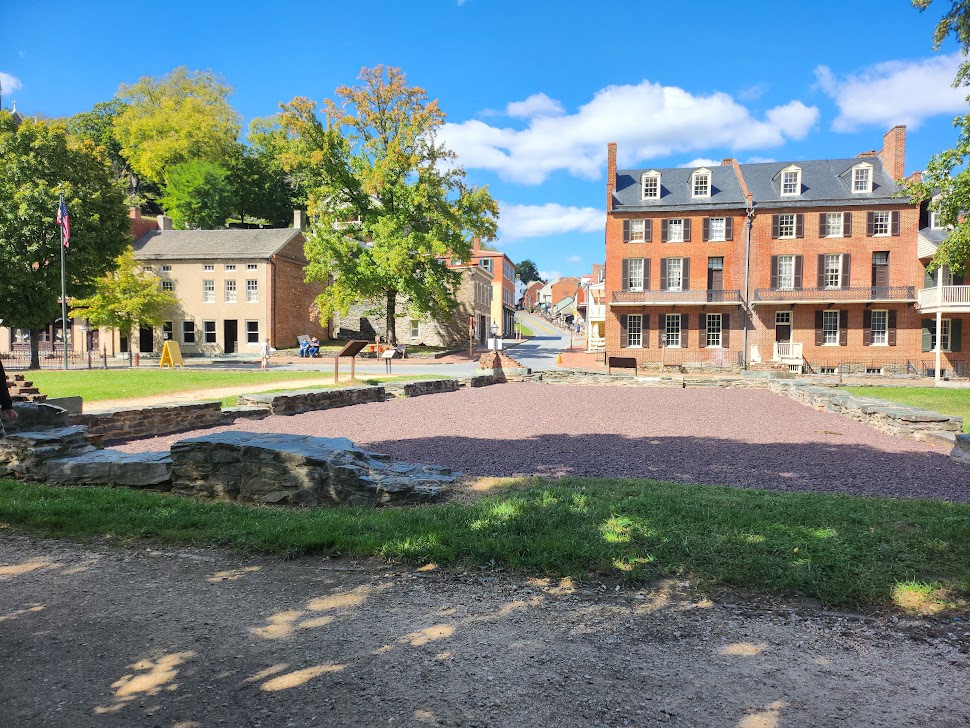
Remnants of arsenal buildings were set ablaze by the retreating Union forces.
Leaf peeping and witnessing the vibrant transformation from summer green to various shades of red, orange, yellow, and brown as autumn progresses can be a rousing outing. The scenic beauty is an ideal backdrop for a romantic or other getaway. Once you arrive at Harpers Ferry, you will find plenty of activities to enjoy, and here the fun begins. Whatever your interests or favorite activities, there is something for you. As a history buff, I recommend a Park Service tour of Harpers Ferry National Historical Park, where you can take in the history while enjoying the beautiful natural surroundings where the Potomac and Shenandoah rivers meet.
Harpers Ferry National Historical Park is great place to start your visit before exploring the historic lower town, visit museums, and take guided tours to learn about its role in the Civil War and as a center for industry and transportation. Bolivar Heights Scenic Overlook: Drive or hike up to Bolivar Heights for panoramic views of the town and the surrounding area. It’s an excellent spot for photography.
John Brown’s Fort: This historic building played a significant role in the events leading up to the Civil War. It was the site of John Brown’s 1859 raid, which aimed to incite a slave rebellion. The fort has been moved and reconstructed within the park.
Hiking: Harpers Ferry is a popular destination for hikers. The Appalachian Trail passes through the town, making it an ideal spot for hikers to start or finish their journey. You can also explore trails in the area, offering scenic views of the rivers and surrounding landscapes.
The confluence of the Potomac and Shenandoah rivers provides opportunities for water-based activities like kayaking, tubing, and white-water rafting. Several outfitters in the area offer rentals and guided trips.
See St. Peter’s Roman Catholic Church: This picturesque church dates back to the mid-1800s and features stunning architecture. It’s open to visitors and often hosts events. Enjoy lunch at a local pub or stop for ice cream on a stroll through the historic district of the historic town and the well-preserved 19th-century buildings. Many shops and restaurants occupy these landmark structures.
Harper House: This historic building, now a museum, showcases life in the 19th century. You can explore the furnished rooms and learn about the town’s past. Shops and Dining: Harpers Ferry offers a range of specialty shops, including those selling crafts, antiques, and local goods. Enjoy dining at local restaurants and cafes, which often feature regional cuisine.
Storer College was the high point of my visit. Now a part of Harpers Ferry National Historical Park, the once esteemed historic Black college closed its doors in 1955 due to financial difficulties and declining enrollment. A venue for the Niagara Movement, Storer College played a role in several significant historical events, including John Brown’s raid on Harper’s Ferry in 1859. The college’s campus served as a refuge and hospital during the raid.
There are plenty of camping areas for overnight stays. Harpers Ferry has several charming B&Bs that offer unique and historic lodging experiences. The Ledge House Bed and Breakfast is a popular option. This boutique property has a scenic hillside location with sweeping views of the Potomac River from its large front porch.
Conclusion
If you are in the mid-Atlantic region and looking for someplace or something to do, consider Harper’s Ferry. I recommend taking advantage of the 3-day Federal holiday weekends with an overnight stay. It’s the kind of atmosphere where you want to linger and savor without schedule-restrained limitations. Weeks later, when Winter is upon you, and you find your movements limited to indoors, embrace the cozy indoors. Don’t despair, but reflect on those memorable moments you experienced on that weekend getaway and begin to plan another.
As winter approaches and you find yourself spending more time indoors, embrace the coziness of the season. Rather than despairing, reflect on the memorable moments from your weekend getaway and begin to dream and plan for another adventure.
As for my friend, he displays remarkable resilience when the thermometer drops below freezing. He may pull out one of his grandmother’s comforting recipes to be prepared while indulging in a Netflix binge. We also find other ways to joy our brotherly bond, whether it’s through shared moments watching ESPN, enjoying some beer or wine, or simply reveling in the spirit of camaraderie.