
From the Margins to the Spotlight: Restoring the Legacies of Gilded Age Black Men of Distinction
August 11, 2025
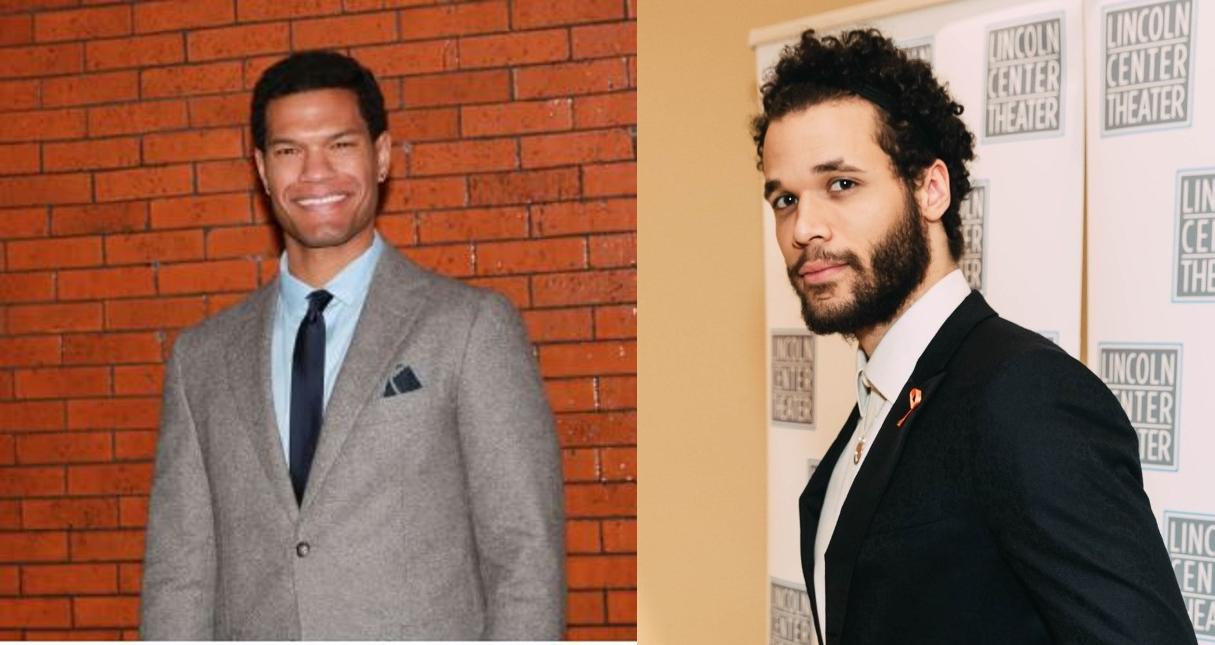
The Real History Behind The Gilded Age’s Black Characters: African American Journalists and Physicians Who Defied Racism
Throughout American history, the stories of African American achievement have been diminished, denied, or outright ignored by the mainstream historical record. When African Americans of distinction did make it into press, their coverage was often couched in racist and condescending language, designed to belittle rather than celebrate their accomplishments.
The main stream press distorted many African American achievements. The press rarely honored their accomplishments. Through TV representation their stories are being rescued and revived. There is little published or known about the affluent Black life at the end of the 19th Century. HBO’s The Gilded Age has been instrumental in exploring the nuanced realities of the lives of affluent African Americans in the late 19th century.
Two characters T. Thomas Fortune played by Sullivan Jones and Dr. William Kirkland played by Jordan Donica —offer a rare counterpoint to this tradition of erasure. Fortune is a real historical figure, one of the most respected African American journalists of his time. Kirkland is fictional, but his character draws upon the lives of several pioneering Black physicians, whose biographies remain largely unknown to the wider public. While there were a number African American physicians practicing in the U.S. from 1860-1890 many were froced find training in Canada and Europe.
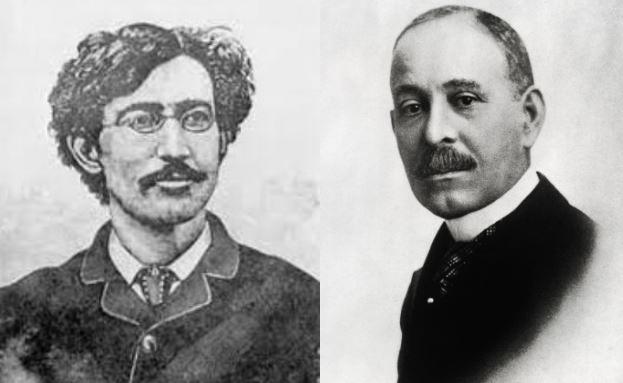
T. Thomas Fortune (1856–1928), born into slavery in Florida, became the “Dean of Negro Journalists” and a leading voice against lynching, disenfranchisement, and segregation. Through his newspaper, the New York Age, Fortune championed civil rights, economic empowerment, and the dignity of African Americans during an era when white supremacy sought to crush both. In The Gilded Age, his depiction rings true, capturing both his intellectual vigor and his unshakable principles.
Dr. William Kirkland, though a fictional character, is rooted in historical precedent. His portrayal borrows elements from Dr. Daniel Hale Williams, who performed one of the first successful open-heart surgeries and founded the nation’s first non-segregated hospital, and Dr. Alexander Thomas Augusta, the first African American faculty member at a U.S. medical school—Howard University’s College of Medicine in 1868—and the first African American to be appointed as a surgeon with the rank of Major in the U.S. Army during the Civil War. Augusta went on to head Freedmen’s Hospital in Washington, D.C., and became a key figure in training future generations of Black physicians. In the latter part of the 19th century, numerous African American physicians practiced in the United States, but many had been forced to obtain their medical training in Canada or Europe due to racial barriers at home.
This was also the era in which eugenics—a pseudoscientific, racially biased theory that sought to justify white supremacy—was gaining intellectual traction among America’s political, academic, and medical elite. Eugenicists argued that African Americans were biologically inferior, using flawed data and biased studies to rationalize segregation and limit access to professional advancement. In medicine, these beliefs had devastating effects:
- Hospital Privileges Denied: Black physicians were systematically excluded from admitting privileges at white hospitals, forcing them to work in underfunded Black-only institutions with fewer resources and lower pay.
- Professional Isolation: Organizations such as the American Medical Association barred Black doctors from membership, isolating them from the latest research and professional networks.
- Medical School Discrimination: Eugenics advocates lobbied to limit the number of Black students admitted to medical schools, claiming they were unfit for the profession.
- Public Distrust: White supremacist propaganda fueled mistrust of Black doctors among white patients, effectively closing off a large segment of potential clientele.
Despite these barriers, Black physicians persevered—founding their own hospitals, medical societies, and training programs, often at great personal and financial sacrifice. Their resilience laid the groundwork for later generations of African American medical professionals and civil rights activists.
In the late 19th century, when the mainstream press covered men like Fortune or Williams at all, it was often through a lens of exoticism, condescension, or suspicion. The accomplishments of Black physicians were particularly underreported, buried in medical journals or Black-owned newspapers with limited reach. Period dramas like The Gilded Age and The Knick begin to fill this gap, offering audiences glimpses into the lives of these men. But selective storytelling is not enough—these narratives should be told with full historical fidelity to the Black experience.
Bringing these biographies back into the American consciousness is more than an act of historical recovery—it’s a reclamation of truth. These men were not outliers or footnotes; they were leaders in the ongoing struggle for equality, role models for their communities, and innovators in their professions. Whether through fictionalized television dramas, documentary films, or biographical features, their stories deserve to be told in a way that honors both their achievements and the barriers they overcame.
The erasure of Black excellence was intentional. Restoring it must be deliberate. By rescuing these lives from the edge of oblivion, we tell a fuller, more honest American story—and remind ourselves that the Gilded Age was not gilded for everyone, but it was also not without its Black luminaries, fighting to shape the future. #GildedAge, #AmericanHistory, #BlackHistory, #HistoricalFiction, #CivilRightsHistory