Victoria and Albert: Partners in the Age of Curiosity
December 29, 2025
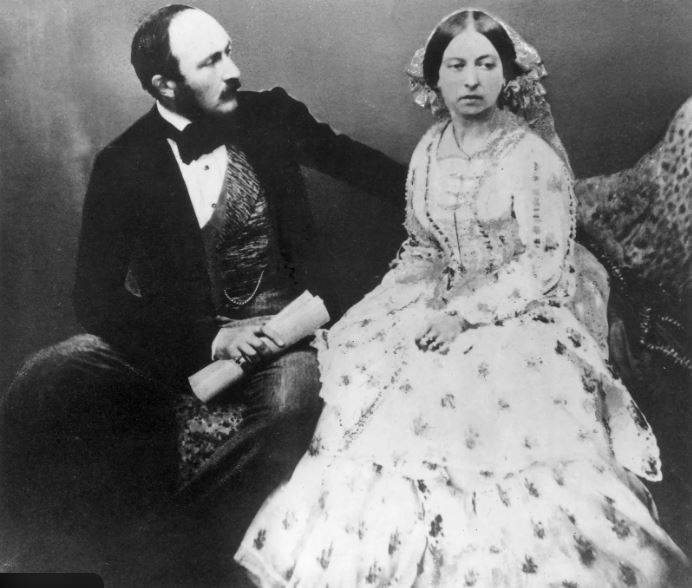
Victoria, the Masterpiece series now streaming on Netflix, sparked my curiosity about Prince Albert. What surprised me most was not Queen Victoria—whose force of will we already know—but the man who so often moderated her. On screen, he is portrayed as her “better half,” a phrase that never quite sat right with me. Curious, I wanted to know more about this man who was not better than Victoria, but very much her equal—and in some ways, ahead of his time in ways that still matter.
I began to see him differently: wrapped in a dark frock coat, stovepipe hat in hand, moving calmly through an age trembling with change. Steam engines. Factories. Iron rails slicing through countryside and custom alike. People feared machines would steal their work, their dignity, their place in the world. Sound familiar?

Albert understood something many of his contemporaries did not. The crisis of his age was not mechanical—it was psychological. Machines were forcing people to ask a dangerous question: If a machine can do what I do, what am I for? That question unsettled Victorian Britain just as artificial intelligence unsettles us today.
The Great Exhibition of 1851 was Albert’s answer. Not an answer carved in stone, but one built of glass and iron—transparent, ambitious, and unapologetically modern. He put invention on public display and called it progress, not to glorify machines, but to discipline fear with understanding. Curiosity, in his mind, was not idle wonder. It was civic responsibility.
The skeptics scoffed then, just as they do now. They warned of job loss, moral decay, and human redundancy. And yes—jobs disappeared. Skilled artisans were displaced. Old ways collapsed. But history did something inconvenient for the pessimists: it kept creating work. More work than before. New kinds of work. Work no one had words for yet.
Industrialization didn’t eliminate labor; it rearranged it. Engineers replaced blacksmiths. Clerks replaced scribes. Managers, inspectors, designers, teachers—all emerged because productivity increased demand and forced economies to expand. The real problem was never a lack of work. It was the failure to prepare people for transition.
That is the lesson we are refusing to learn again.
Artificial intelligence feels different because it reaches into the mind itself. If the Industrial Revolution mechanized muscle, AI mechanizes cognition. Writing, analyzing, predicting—once considered uniquely human—now shared. No wonder people panic. But when I look at history through Albert’s eyes, I see a pattern, not a prophecy of doom.
Twenty years from now, AI will not have erased human work. It will have redefined it. Routine cognitive labor will shrink, but roles requiring judgment, ethics, care, creativity, and accountability will expand. New professions will arise around governing, interpreting, and humanizing intelligent systems—just as factories once gave rise to modern management and public education.
Albert believed progress without moral architecture was dangerous. He insisted that education, ethics, and public understanding had to keep pace with invention. That conviction—quiet, principled, unfashionable—is what makes him feel so modern now.
So when I hear today’s debates about AI, I imagine Prince Albert adjusting his frock coat, stepping forward calmly, and reminding us: curiosity is not the enemy. Fear is. And history, if we’re willing to look it in the eye, has already shown us the way forward.
Guide and Traveler – Simpatico in San Juan
December 3, 2025
Selecting the right guide is often the luck of the draw—until it isn’t. Any seasoned traveler knows that a tour is far more than a sequence of stops. It’s a human exchange of energy, curiosity, insight, and personality. When the chemistry is right, the experience becomes unforgettable. When it’s wrong… well, we’ve all had that tour.
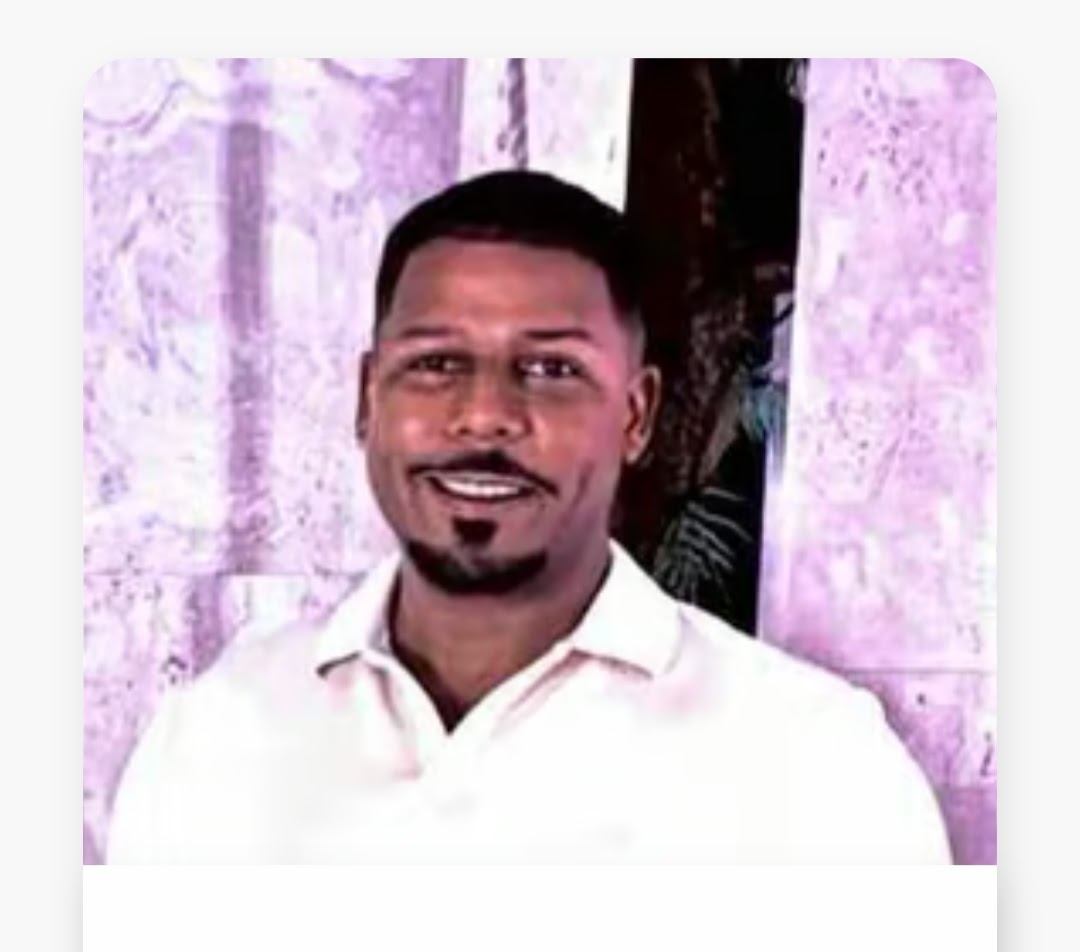
On the Black Kings Travel San Juan Historical and Cultural Tour, our group was fortunate enough to find the right guide—Ronald Pérez—through Tours By Locals. Full disclosure: I’m a TBL guide myself in Washington, DC, so I know what it takes to deliver at a high level. Ronald had the right stuff from the moment we met him.
A Guide Who Understands His Guests
Black Kings Travel is not your typical vacation group. We’re a network of mature, professional African American men—business owners, executives, scholars, creatives—who travel the world both for leisure and with an eye toward international investment and cultural exchange. Many of us have discretionary income, business interests, and a desire to truly understand a place: its history, its culture, its communities, and its economic opportunities.
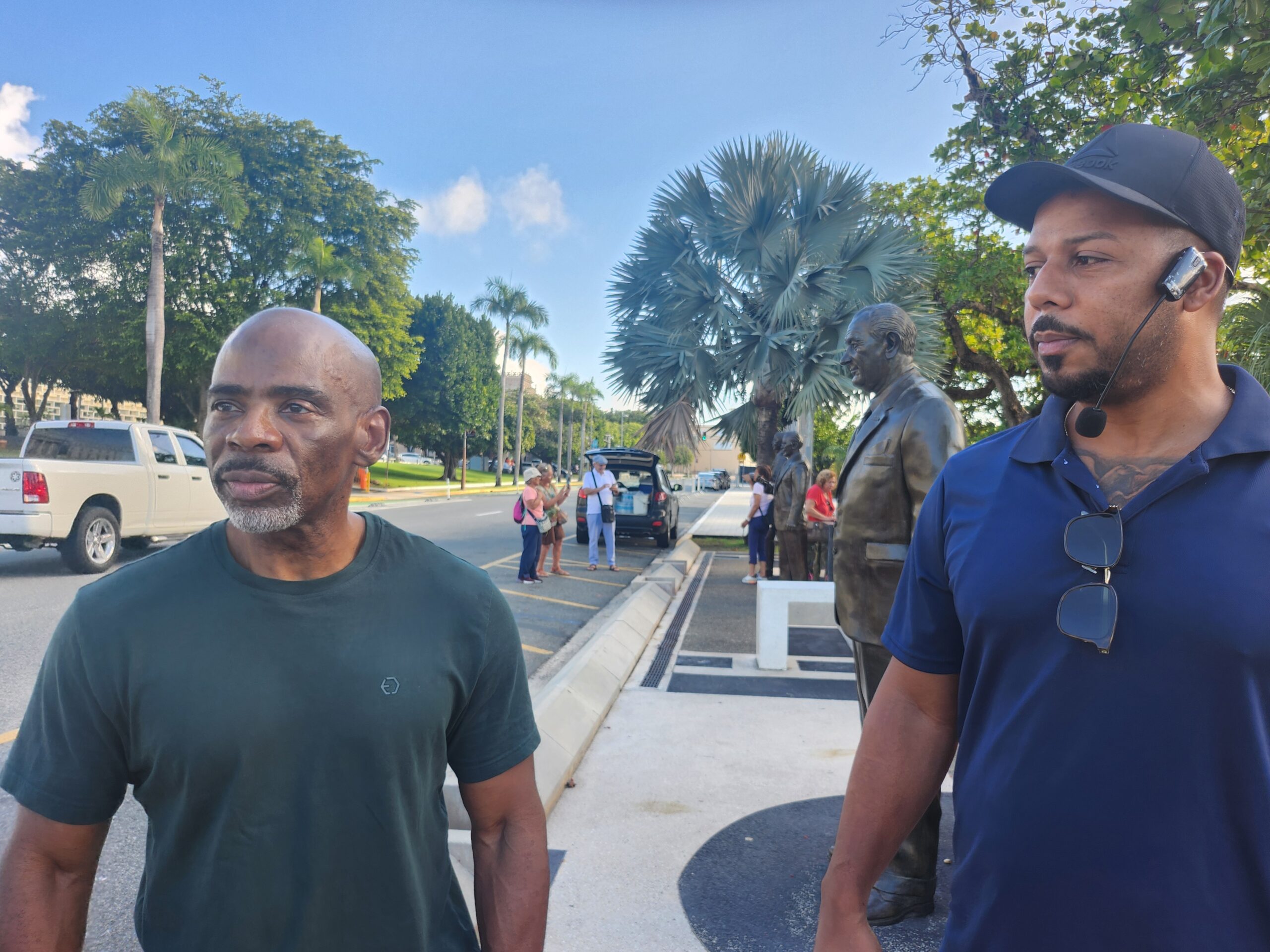
This particular tour was intentionally small—under a dozen men representing business, academia, music, art, and literature. What we needed was not just a sightseeing guide but someone who could also speak intelligently about Puerto Rico’s business climate, investment landscape, social rhythms, and economic future. Ronald met that challenge with ease.
Knowledge, Poise, and True Connection
Whatever questions we threw at him—history, infrastructure, tax incentives, artistic movements, political dynamics, cultural etiquette—Ronald had a ready answer. And when he didn’t, he pointed us to where we could find one. He did all this while sharing the island’s Afro–Puerto Rican heritage, the roots of its musical brilliance, and the resilient spirit of its people. But great guiding is not just about talking.
It’s about connecting.
Ronald knew how to read our group—professional men interested in more than the surface-level highlights. He tailored his commentary to speak to our curiosity about culture, community, and commerce, giving us a broad yet nuanced perspective on Puerto Rico.
A Meal With the Locals: Sabores Cocina Artesanal
One of the highlights of the day came when Ronald took us off the beaten path for an authentic culinary experience. Instead of steering us toward a tourist-heavy restaurant, he guided us to Sabores , a local establishment where Puerto Ricans themselves gather to eat, talk, argue sports, and enjoy life. There, we rubbed elbows with the locals—literally. It wasn’t a staged “cultural experience.”
It was the real thing.
We tasted dishes prepared with love and tradition, learned the backstory of neighborhood recipes, and soaked in the energy of a place that tourists rarely find on their own. This stop alone was worth the tour price, because it gave us what we value most: authenticity.
Why the Right Guide Matters
In today’s travel world, many people treat tours as simple transactions. But for groups like ours—men who travel with intention, purpose, curiosity, and respect—the guide becomes the bridge between the visitor and the deeper truth of a place. A great guide can:
- Provide meaningful cultural insight
- Offer nuanced understanding of local business and investment trends
- Translate a place beyond what’s printed in guidebooks
- Create an atmosphere where real dialogue can unfold
- Bring guests into the spaces where locals live, create, and eat
Ronald did all of that.
The Takeaway
Choosing the right guide is not simply about knowledge of landmarks—it’s about chemistry, cultural fluency, emotional intelligence, and the ability to read the interests of the group.
Our Black Kings Travel group left Puerto Rico with more than memories. We left with a deeper understanding of San Juan’s culture, community, business pulse, and flavor—thanks to a guide who brought insight, warmth, and authenticity to the experience.
Puerto Rico is a vibrant island with a global cultural presence and a growing business landscape. If you want a guide who can introduce you to both—and take you where the locals actually eat—Ronald Pérez has the right stuff.